
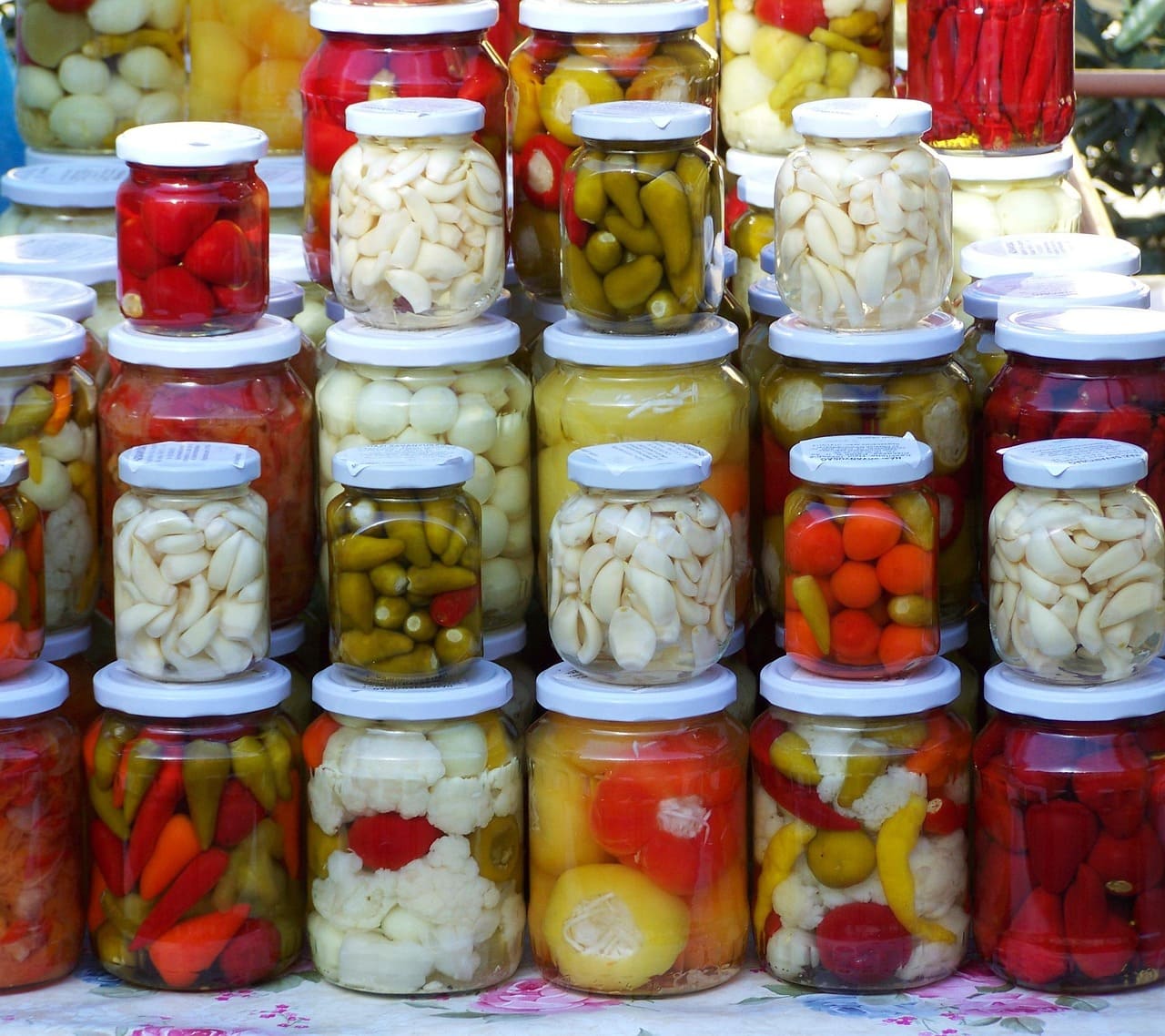
Pickling is one of the simplest kitchen skills that can make your food taste instantly more exciting. With a jar, a brine, and a little patience, ordinary ingredients turn into something bright, crunchy, and unforgettable. That’s why Art of Pickling exists: to celebrate the craft, the creativity, and the comfort of preserved foods. Whether you’re new to pickling or you’ve been filling jars for years, there’s always something new to learn—different vegetables, different spice blends, different methods, and different ways to serve what you make. Pickling is both practical and playful: it helps reduce food waste, stretches seasonal produce, and adds bold flavor to everyday meals. In this blog, we explore everything from classic deli-style jars to spicy and modern twists, all while keeping the process approachable.
What Pickling Really Is
At its core, pickling means preserving foods in an acidic mixture—often vinegar—or in a salty brine that can ferment over time. Both approaches create tangy flavor and extend shelf life, but they feel different in texture and taste. Vinegar pickles are quick, sharp, and ready fast. Fermented pickles develop deeper, more complex flavor as beneficial bacteria do their work.
No matter the method, pickling is a balance of salt, acid, and seasoning. That balance is where the artistry comes in. A few small changes—more garlic, different peppercorns, fresh herbs, or extra heat—can completely change the personality of a jar.
The Ingredients That Make a Great Jar
Good pickles start with the right foundations. For crispness and clean flavor, many home picklers focus on two essentials: fresh produce and the right salt. Pickling salt is a favorite because it dissolves well and helps keep brines clear. It’s especially useful when you want your jars to look as good as they taste.
The produce matters just as much. Pickling cucumbers, for example, are chosen because they tend to stay firm and crunchy. They’re the backbone of many classic pickle styles, and once you learn the basics with cucumbers, it becomes easier to branch out to other vegetables.
Classic Pickles You’ll See Often at Art of Pickling
Some pickle styles are timeless because they deliver dependable flavor that works with almost anything. Kosher dill pickles are one of the most iconic—garlicky, briny, and perfect for sandwiches, burgers, and snack plates. On the sweeter side, bread and butter pickles bring a mellow tang and a sugary warmth that pairs surprisingly well with savory foods.
If you enjoy heat, jalapeno pickles add an instant kick to tacos, nachos, grilled meats, and even scrambled eggs. And for a slightly different kind of spice, pickled banana peppers offer a bright, tangy bite that’s often milder than jalapeños but still full of personality.
Beyond Cucumbers: Pickled Vegetables With Big Flavor
Pickling isn’t limited to cucumbers, and some of the most exciting jars come from branching out. Pickled turnip is a favorite for its crisp texture and vibrant color, often served alongside savory meals for contrast. Pickled cabbage can be punchy and refreshing, adding crunch to sandwiches, bowls, and barbecue plates.
Then there are bolder, more adventurous jars. Pickled green tomatoes have a special charm: slightly firm, pleasantly tangy, and perfect when you want something that tastes both rustic and bright. And if you love variety, pickled peppers in different shapes and heat levels can create an entire “pepper bar” of flavors—from mild and snacky to fiery and intense.
Pickled Herrings and the Wider World of Preservation
Pickling also stretches beyond vegetables. Pickled herrings are a classic example of how preservation traditions show up across cultures, especially in places where pickled fish became a practical way to store food and build bold flavor. These styles can be an acquired taste, but they’re a reminder that pickling is truly global—and not limited to one ingredient or one cuisine.
Fun Twists and Modern Pickle Culture
Pickling is serious craft, but it can also be fun. One modern trend you’ll see people talk about is the chamoy pickle—a bold combination of sour, salty, spicy, and fruity flavors that turns pickles into a snack experience. Whether you love it or just want to understand the hype, it’s part of what makes today’s pickling world so creative: traditional methods meeting new tastes.
At Art of Pickling, we’ll cover both classic and modern styles, helping you find what fits your palate and your kitchen.
Conclusion
Art of Pickling is here to help you feel confident with the craft—whether you’re making kosher dill pickles for the first time, experimenting with jalapeno pickles, stocking jars of pickled cabbage, or trying something unique like a chamoy pickle. We’ll explore the essentials like pickling salt and pickling cucumbers, along with adventurous favorites like pickled green tomatoes, pickled turnip, pickled peppers, pickled banana peppers, bread and butter pickles, and even pickled herrings. Pickling is a skill you build one jar at a time, and every batch teaches you something. Welcome to Art of Pickling—where crunch, tang, and tradition come together in the best possible way.