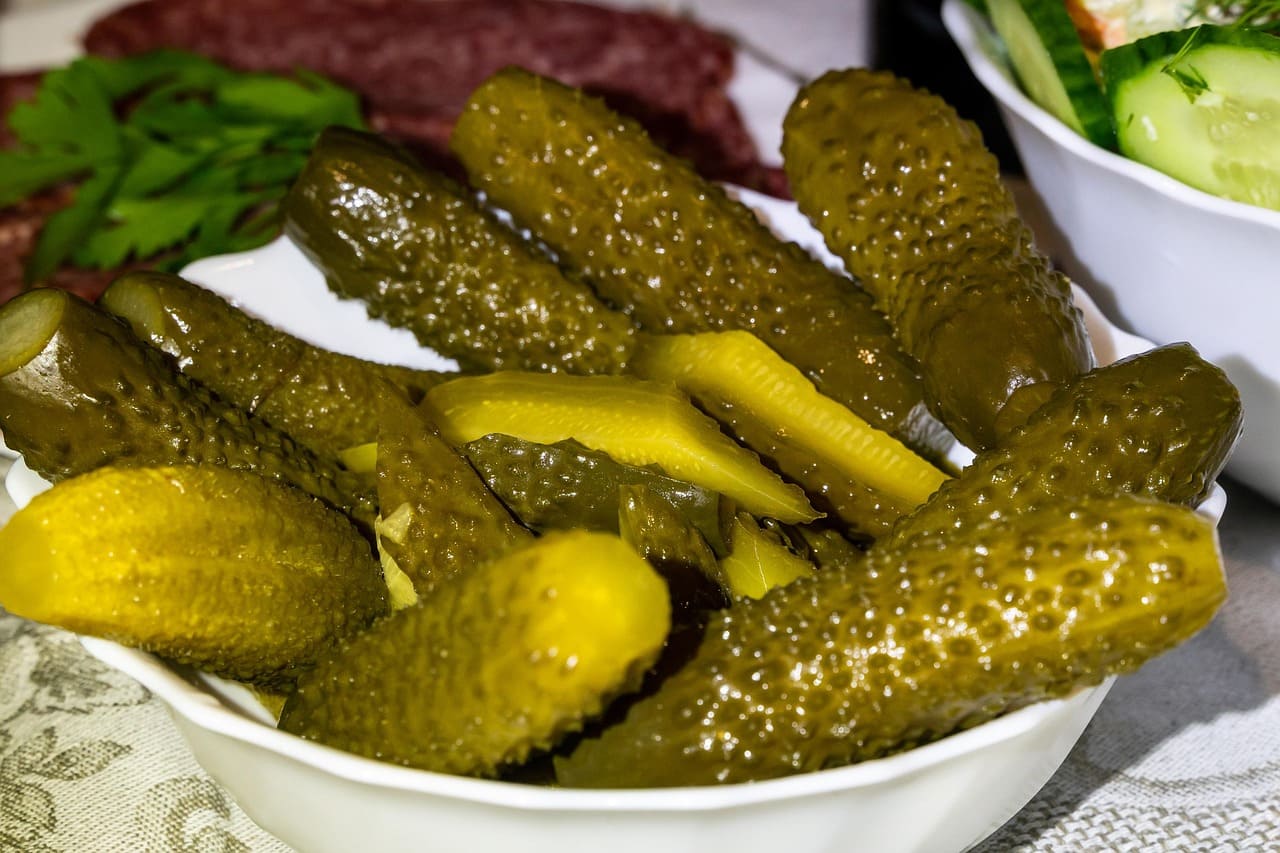
A chamoy pickle is not your average jar snack. It’s bold, messy, sweet, sour, salty, and spicy all at once—an intense flavor mashup that’s become a modern pickling obsession. For some people, the first bite is a shock: the familiar crunch of a dill pickle meets sticky chamoy, chili heat, and a candy-like tang that keeps shifting as you chew. For others, it’s instantly addictive, like the pickle version of a sour candy with a spicy kick. Whether you’re curious because you keep seeing it online or you already love sweet-and-spicy snacks, a chamoy pickle is essentially pickling culture with the volume turned all the way up. In this Art of Pickling guide, we’ll break down what it is, why it’s so popular, how people build the flavor, and how to enjoy it without losing the pickle’s best qualities.
What a Chamoy Pickle Actually Is
At its simplest, a chamoy pickle is a dill pickle coated (and often stuffed) with chamoy and chili seasoning. People describe it in different ways—pickle with chamoy, pickle chamoy, or chamoy dill pickle—but the idea is consistent: take a crunchy pickle and add layers of sweet-sour heat.
Chamoy itself is a condiment known for balancing fruitiness, acidity, and chile spice. When it meets a pickle, it sticks to the surface and adds a tangy-sweet coating that contrasts with salty brine. Many versions also include chili-lime seasoning for extra punch and a slightly gritty texture that clings to the chamoy.
Why the Flavor Works: Sweet + Sour + Salty + Heat
Pickles are already a “high flavor” food: briny, acidic, crisp. Chamoy adds a new set of flavors that can feel surprising but logical. The sweetness rounds out the sharp tang. The fruitiness creates a new top note. The chili adds heat that lingers after the crunch is gone.
The best versions feel balanced rather than chaotic. You still taste “pickle” first, then the chamoy arrives—sweet and tangy—followed by chili warmth. If it tastes like pure sugar or pure heat, it can overpower the pickle. The goal is a layered snack where the pickle remains the foundation.
This is why the phrase pickle with chamoy catches attention: it sounds strange until you try it, and then it makes a weird kind of sense.
Chamoy Dill Pickle Styles: Coated, Stuffed, or “Kit” Built
There isn’t one single way to make a chamoy pickle. The trend has evolved into a few common styles:
1. Coated and seasoned:
A pickle is covered in chamoy and rolled in chili-lime seasoning. This is the most straightforward chamoy dill pickle style: sticky coating, bright spice, crunchy bite.
2. Stuffed or layered:
Some versions add extra ingredients—candy, fruit strips, seasoning blends, or other fillings—turning it into a more elaborate snack experience. These can be fun, but they can also distract from the pickle itself.
3. “Kit” style builds:
A chamoy picklekit usually includes the components needed to create the full experience: chamoy, chili seasoning, and sometimes additional add-ons. The kit concept makes it easy for people to try the trend without hunting down every ingredient separately.
No matter which route you take, the best versions respect the pickle’s texture. Crunch is the whole point, so anything that makes the pickle soggy takes away the magic.
Choosing the Right Pickle Base
Not every pickle works well for chamoy. You want a firm, crunchy dill pickle—one that can handle being coated and still stay crisp. Thicker pickles often hold up better because the center stays crunchy even after the outside gets saucy.
A mild, clean dill flavor is also helpful. If the pickle is extremely garlicky or aggressively sour, it can fight the chamoy rather than complement it. Think “crunchy and briny” as your base, then layer on the sweet-sour heat.
How to Eat a Chamoy Pickle Without Making It a Mess
Let’s be honest: this is a messy snack. The coating is sticky by design. But you can make it easier:
- Eat it over a plate or a wrapper so you can catch seasoning.
- Keep napkins nearby—this is not a “one-handed” snack.
- Take small bites at first so you get balanced flavor.
Some people love it straight, others prefer slicing it to create shareable pieces. Slices also make it easier to control how much chamoy and seasoning you taste in each bite.
A Natural Comparison: Bread and Butter Pickles
If you like the sweet-and-tangy side of pickles, it’s worth comparing chamoy pickle flavors to bread and butter pickles. Bread and butter pickles are sweet, mellow, and vinegar-bright—classic “sweet pickle” comfort. A chamoy pickle is like the extreme cousin: still sweet and tangy, but with chili heat and fruity acidity layered on top. If bread and butter pickles are a gentle sweet pickle, a pickle chamoy is a sweet pickle turned into a full-on spicy snack.
That comparison helps explain why some people love the trend immediately. If you already enjoy sweet pickles, chamoy can feel like a bold next step.
Conclusion
A chamoy pickle is pickling culture with a playful twist: a crunchy dill pickle transformed into a sweet-sour-spicy snack event. Whether you call it pickle with chamoy, chamoy dill pickle, pickle chamoy, or you’re experimenting with a chamoy picklekit, the key is balance—let the pickle stay crunchy and let the chamoy add layers instead of overpowering everything. And if you’re already a fan of sweet pickles like bread and butter pickles, it’s easier to understand why this trend works: it takes sweetness and tang and adds heat, turning an old-school favorite into something loud, modern, and surprisingly craveable.