
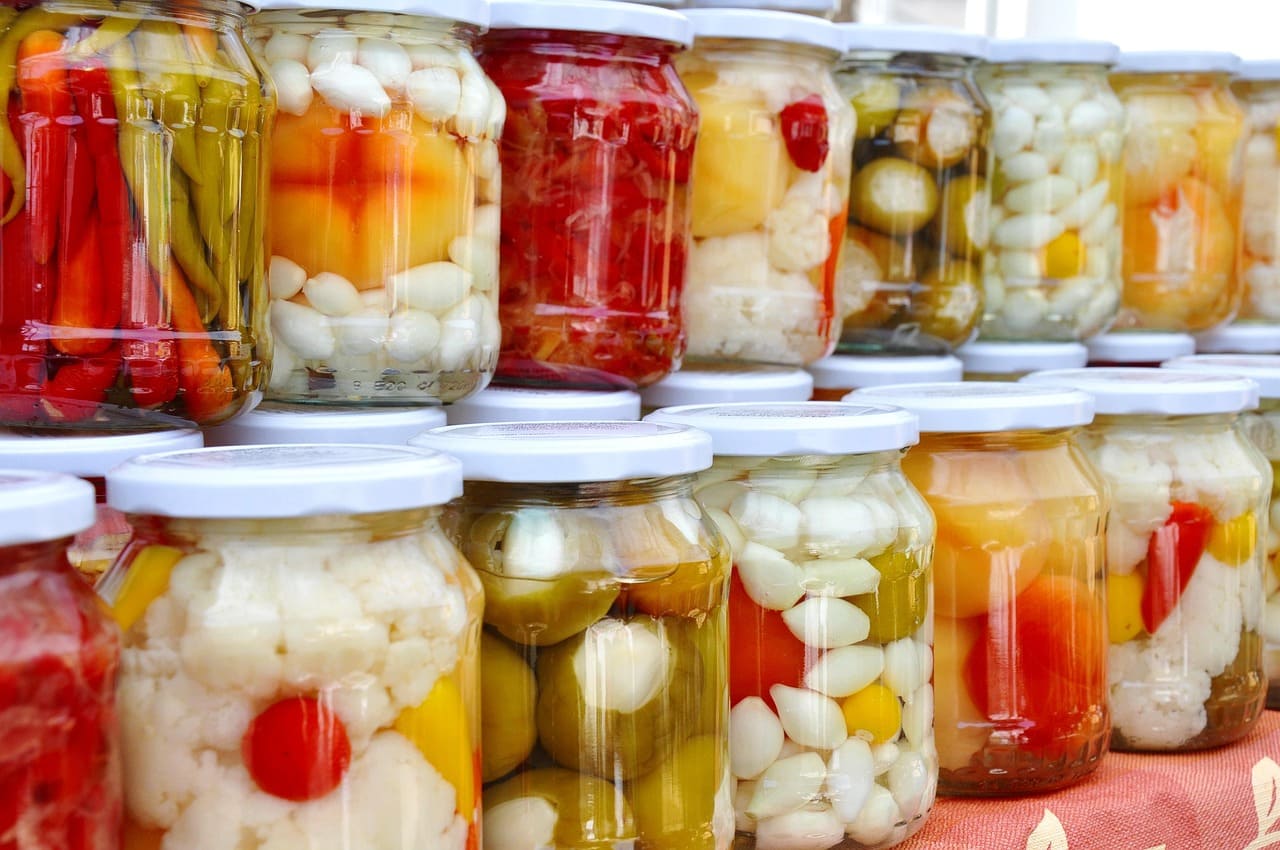
Pickling is one of those kitchen techniques that feels like a superpower once you learn it. With a jar, a brine, and a little time, you can turn ordinary produce into something tangy, crisp, and crave-worthy. Pickles aren’t just “sour snacks”—they’re flavor tools. They wake up sandwiches, cut through rich foods, add crunch to bowls, and make simple meals taste more complete. The best part is how approachable pickling can be. You don’t need fancy equipment to start, and you can keep things as simple or as traditional as you like. Whether you’re making a quick refrigerator jar for the week or exploring deeper methods that build flavor over time, pickling is a craft you grow into one batch at a time. In this Art of Pickling guide, we’ll break down what pickling is, what you can pickle, and how to use your jars in everyday meals.
What Pickling Is and Why It Works
At its core, pickling is preservation through acidity and/or salt. In vinegar-based pickling, acid creates the tangy environment that helps preserve food and adds that classic “pickle bite.” In salt-brine pickling, salt draws out moisture and can support fermentation, creating deeper, more complex flavors over time.
Both styles rely on balance. Too little salt and the flavor falls flat. Too much vinegar and the jar can taste harsh. The sweet spot is a brine that tastes lively and clean, with enough seasoning to feel intentional. Once you understand that brine is a balance—not a mystery—pickling becomes far less intimidating.
The Most Popular Things to Pickle
Pickling can be done with many ingredients, but a few favorites show up again and again because they’re so useful in meals.
Pickled Onions and Pickled Red Onions
Pickled onions are one of the fastest ways to add brightness to food. They’re sharp but refreshing, and they bring color and crunch to tacos, burgers, salads, and bowls. Pickled red onions are especially popular because the color turns vibrant in brine, making meals look as good as they taste. They also soften just enough to be easy to eat while still keeping a pleasant bite.
Pickling Cucumbers and Classic Dill Pickles
Pickling cucumbers are the foundation of traditional pickles because they’re firm, crisp, and built for brine. They’re the go-to choice when you want that satisfying crunch people expect from dill pickles. Dill pickles bring a signature flavor profile—bright tang, salt, and dill’s herbal freshness—making them a classic side for sandwiches, burgers, and snack plates.
Jalapeno Pickles for Heat Lovers
If you want a jar that adds instant personality, jalapeno pickles are hard to beat. They bring tangy heat that upgrades nachos, pizza, eggs, and tacos in seconds. Pickled jalapeños are also a great example of how pickling can soften harsh raw flavors while keeping the ingredient bold and recognizable.
Quick Pickling vs Traditional Brining
There are two main paths into pickling, and both are worth knowing.
Quick pickling (refrigerator pickles):
This is the easiest entry point. You combine your ingredients with a vinegar-based brine, chill, and let time develop flavor. It’s fast, flexible, and perfect for weeknight cooking.
Traditional brining and longer methods:
These methods often rely more heavily on salt, time, and sometimes fermentation. They can produce deeper flavor and a more complex tang, but they require more attention to ratios and environment.
Many picklers start with quick pickling, then expand into longer projects once they’re comfortable. That progression is part of the fun—pickling can be a casual habit or a deep craft.
How to Use Pickles Like a Pro
Pickles are more than snacks. They’re a way to balance a meal. Acid and crunch cut through richness and brighten flavors. Try using pickles to:
- Add contrast to fried or fatty foods
- Bring tang to grain bowls and salads
- Boost sandwiches and wraps
- Layer texture into tacos and rice bowls
- Add brine to dressings and dips for extra depth
A small spoonful can change the whole dish. Once you start thinking of pickles as a seasoning tool, you’ll find yourself reaching for jars constantly.
A Seasonal Favorite: Pickled Green Tomatoes
One of the most satisfying pickling projects is working with produce that feels “in-between,” like unripe tomatoes at the end of a growing season. Pickled green tomatoes are firm, bright, and pleasantly tart, and they hold up beautifully in brine. They’re perfect on sandwiches, chopped into salads, or served alongside rich foods that need something sharp and crunchy. They’re also a reminder that pickling isn’t just for cucumbers—nearly any firm produce can become a jar-worthy favorite.
Conclusion
Pickling is a simple skill with big payoff: brighter meals, less food waste, and jars of flavor ready whenever you need them. From pickled onions and vibrant pickled red onions to pickling cucumbers turned into classic dill pickles, and from spicy jalapeno pickles to seasonal favorites like pickled green tomatoes, pickling opens a door to endless variety. Start small, keep your brine balanced, and let time do the work. Before long, you’ll have a fridge full of crunchy, tangy staples—and a new way of thinking about flavor that makes everyday cooking more fun.