
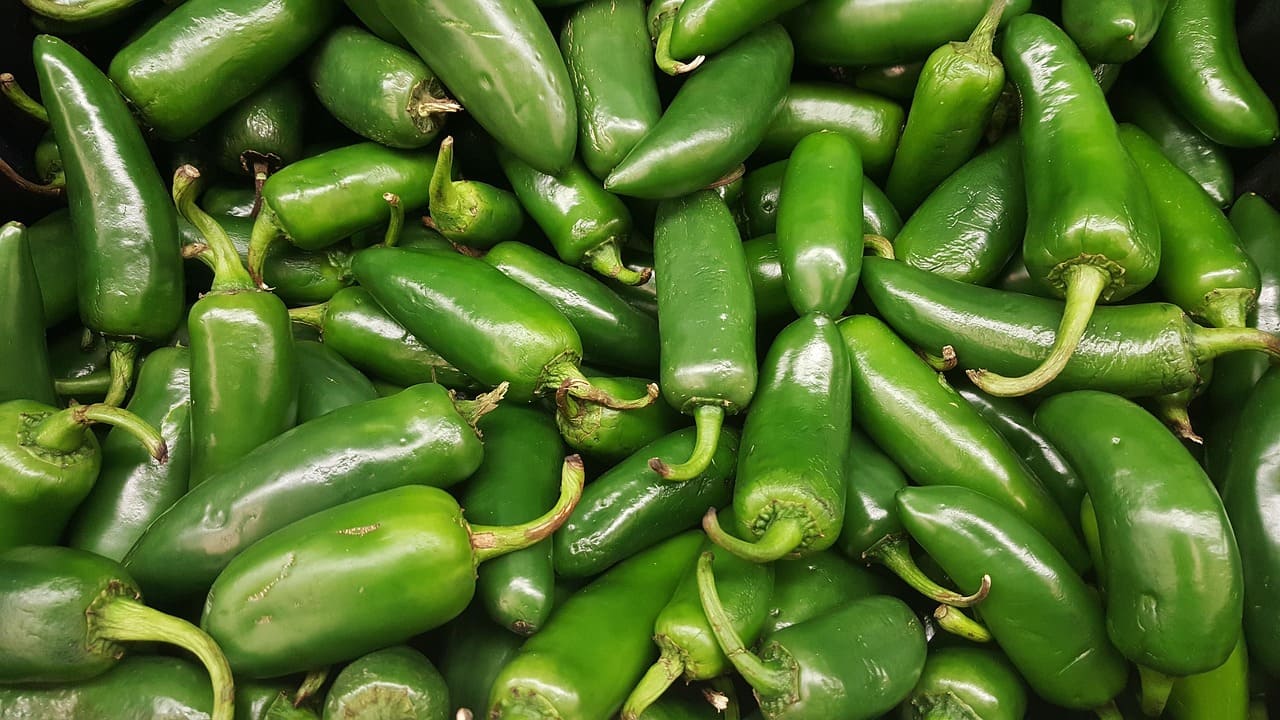
Jalapeño pickles are the kind of condiment that makes you wonder how you ever ate certain foods without them. They’re bright, spicy, vinegary, and crunchy—exactly the kind of punch that wakes up tacos, nachos, burgers, sandwiches, eggs, and bowls. A good jar doesn’t just taste “hot.” It tastes balanced: tang first, jalapeño flavor second, and heat that lingers without taking over. That’s why jalapeño pickles have become a staple in so many kitchens. They’re easy to use, easy to store, and they add instant personality to almost any plate. In this Art of Pickling guide, we’ll explore what makes great jalapeño pickles, how to choose and slice peppers for the texture you want, what “canned” versions mean, and how jalapeños compare to other pickling favorites.
What Jalapeño Pickles Taste Like
Jalapeño pickles are defined by a sharp, clean tang and a green pepper bite that’s both fresh and spicy. The vinegar or brine brightens the jalapeño’s natural flavor and slightly tames its raw edge. That’s why pickled jalapeño peppers often feel smoother than fresh jalapeños while still delivering satisfying heat.
Texture matters just as much. The best jalapeño pickles stay crisp, especially when the peppers are fresh and the brine is balanced. Thin slices tend to soak up flavor faster and feel softer sooner. Thicker slices keep crunch longer and deliver a stronger pepper bite with each chew.
Pickled Jalapeño Peppers: Rings, Slices, or Whole?
How you cut jalapeños changes how you’ll use them.
- Rings: The classic choice. Easy to scatter over nachos, pizza, tacos, and bowls.
- Strips: Great for sandwiches and wraps because they layer neatly.
- Halves or whole peppers: Best for stuffing, snack boards, and dramatic jar presentation.
Rings are the most common because they provide even brine contact and are easy to portion. They also make it simple to control heat: a couple of rings for a mild kick, a handful for serious spice.
“Pickled Jal” and Other Shortcut Names
You’ll sometimes see people write pickled jal as a quick way to refer to pickled jalapeños—especially in recipes and casual kitchen notes. It’s the same idea: jalapeños preserved in brine so you can add tangy heat without chopping fresh peppers every time.
The appeal is convenience. Once you have a jar in the fridge, adding heat becomes as easy as adding pickles.
Canned Jalapeños: What That Means (and Why People Like Them)
Canned jalapeno peppers and canned jalapenos are popular because they’re consistent, shelf-stable, and always ready. “Canned” usually signals long-term storage: jars or cans that keep without refrigeration until opened. The flavor can be slightly different from fresh refrigerator pickles—often softer in texture and sometimes more mellow—but they’re incredibly handy.
People reach for canned jalapeños when they want:
- Reliable heat for nachos and tacos
- Quick toppings for burgers and sandwiches
- A pantry backup when fresh peppers aren’t available
- A consistent flavor for cooking and meal prep
Texture can vary based on how they’re processed, which is why some people keep both: refrigerated pickles for maximum crunch, canned jalapeños for pantry convenience.
Preserving Jalapeños at Home
If you’re interested in jalapeno peppers preserving, the good news is that jalapeños are very forgiving. The key is starting with firm peppers and deciding whether you want a quick refrigerator style or a longer storage approach.
For most home kitchens, refrigerator pickles are the easiest entry point because they deliver great flavor quickly and keep well for everyday use. If you grow jalapeños or buy a large batch, preserving becomes a practical way to avoid waste and keep the heat around for weeks.
Whatever method you use, aim for balance: enough vinegar tang to feel “pickled,” enough salt to support flavor, and optional seasonings (like garlic or peppercorn) if you want extra depth.
How to Use Jalapeño Pickles Every Day
Jalapeño pickles are more than a taco topping. Try them:
- On nachos, quesadillas, and burrito bowls
- On burgers, hot dogs, and sandwiches
- Chopped into tuna salad, potato salad, or slaw
- On pizza, eggs, and roasted vegetables
- Mixed into dips for a bright kick
They’re especially good with rich foods because acidity and heat cut through fat and make flavors feel sharper.
A Natural Connection: Pickling Cucumbers
If jalapeños are the “heat jar,” pickling cucumbers are the “foundation jar.” Learning how to pickle peppers often goes hand-in-hand with learning cucumbers, because the core idea is the same: preserve fresh produce in a brine that balances salt and acid. Pickling cucumbers are prized for their crunch, and that same focus—firm produce, good brine, consistent slicing—applies to jalapeños too. If you’ve mastered cucumber pickles, jalapeños are an easy next step. And if you started with jalapeños, you’ll likely enjoy expanding into cucumber jars for classic crunch alongside spicy heat.
Conclusion
Jalapeño pickles are the quickest way to add tangy heat to your meals without extra effort. Whether you call them pickled jalapeño peppers, shorthand them as pickled jal, or keep pantry staples like canned jalapeno peppers and canned jalapenos, the goal is the same: bold flavor that’s ready when you are. If you’re exploring jalapeno peppers preserving, start with fresh, firm peppers and a balanced brine, and you’ll have a jar that upgrades everything from tacos to sandwiches. And if you love pickling in general, pairing spicy jalapeños with classic pickling cucumbers gives you the best of both worlds—cool crunch and bright heat, side by side in your pickling lineup.