
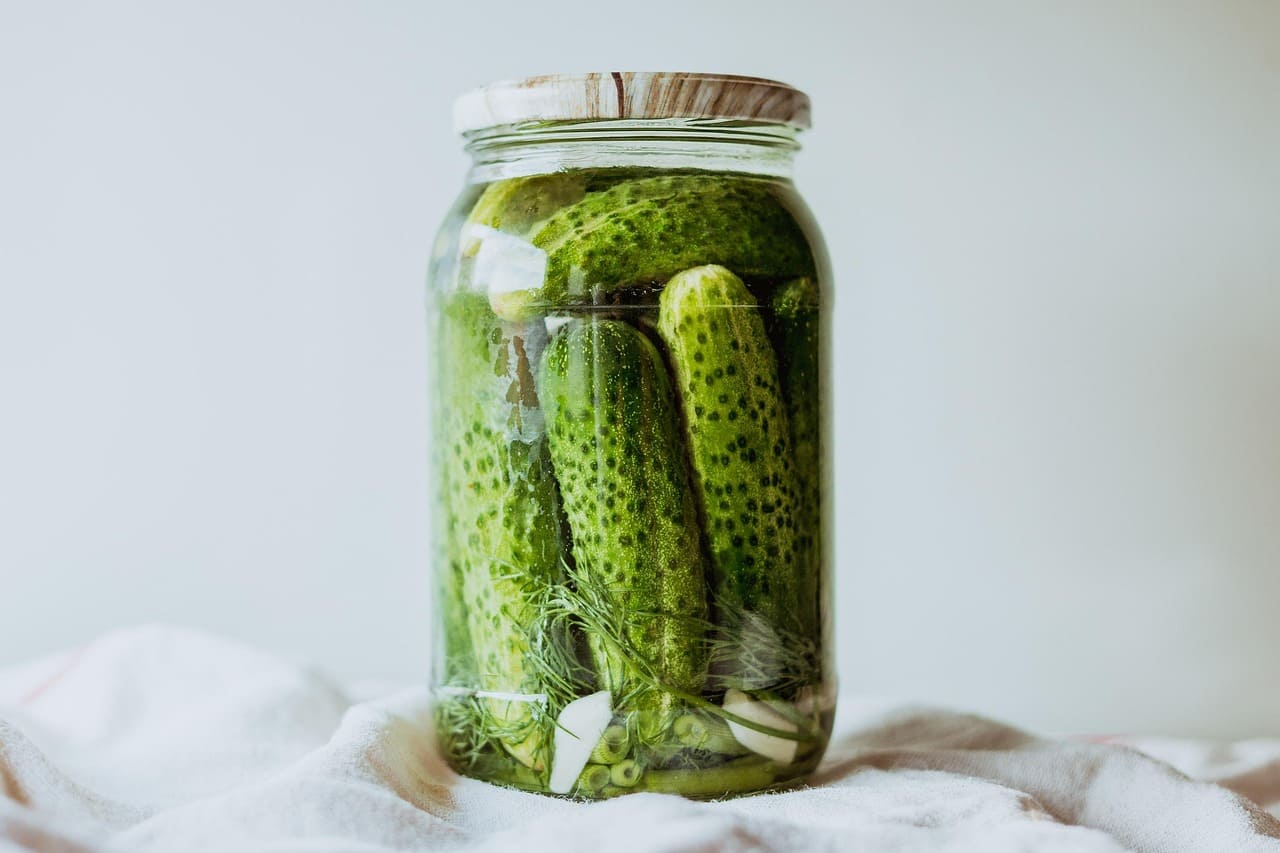
Pickling cucumbers are the unsung heroes of the pickle world. They’re small, firm, and built for brine—exactly the qualities you want when your goal is a crisp bite and a clean snap. While any cucumber can technically be pickled, pickling cucumbers are the ones that consistently deliver that classic “pickle crunch” people crave. They turn into deli-style spears, sandwich slices, spicy chips, and snackable little pickles that disappear straight from the jar. If you’re building skills in the Art of Pickling, learning how to choose and use the right cucumbers is one of the most important steps. In this guide, we’ll explore what makes pickling cucumbers different, how gherkins fit into the picture, and how to set yourself up for crunchy success every time.
What Makes Pickling Cucumbers Different
Pickling cucumbers are typically smaller and firmer than slicing cucumbers. They often have:
- Thicker skins that hold up in brine
- A denser interior with fewer watery seeds
- A shape that fits jars well
- A natural crunch that stays crisp longer
Those traits matter because pickles are all about texture. A watery cucumber can turn soft quickly, especially if it’s overripe. Pickling cucumbers are chosen specifically to handle preservation and stay snappy. That’s why many people searching “cucumber and pickle” end up learning this lesson: the cucumber you start with determines the pickle you finish with.
Gherkins: Small Cucumbers With Big Pickle Energy
Gherkins are essentially small cucumbers often used for pickling, especially when you want tiny, snackable pickles. In casual conversation, people use “gherkin” in different ways. Sometimes it refers to a specific small variety; other times it’s used as a general name for small pickles. Either way, gherkins are prized because they’re firm, they fit easily into jars, and they pickle evenly.
If you’ve ever wondered what “a gherkin” is compared to a regular cucumber, the simplest answer is: it’s small, dense, and ideal for pickling. That size makes gherkins great for whole pickles, where you want a crunchy bite from skin to center.
You may also see misspellings like gercan pickles in searches. People are usually trying to find gherkin-style pickles or learn about small cucumbers used for pickling. The good news is the goal remains the same: a firm, small cucumber that turns into a crisp, flavorful pickle.
Choosing the Best Pickling Cucumbers
To get great pickles, start with cucumbers that are:
- Very firm (no soft spots)
- Bright in color and fresh-smelling
- Similar in size (so they pickle evenly)
- Not overly large or overripe (which can lead to softer texture)
If you can, pickle them soon after buying or harvesting. Freshness is a big part of crunch. Cucumbers naturally lose firmness as they sit, so the sooner they go into brine, the better the final result.
Cuts and Shapes: Slices, Spears, and Whole
Pickling cucumbers can be used in different shapes depending on how you plan to eat them:
Whole cucumbers:
Best for gherkin-style pickles and snackable jars. Whole pickles often stay crisp and feel satisfying to bite.
Spears:
Great for sandwiches and burgers because they’re easy to serve and hold their shape well.
Chips or slices:
Perfect for stacking on burgers, adding to sandwiches, or tossing into salads. Slices also absorb brine quickly, so they often taste “pickled” sooner.
Each cut changes how quickly flavor moves into the cucumber. Thin slices pickle fast but can soften sooner. Whole cucumbers take longer to fully flavor but often keep the best crunch.
The “Cucumber and Pickle” Relationship: Flavor Development
A cucumber doesn’t magically become a pickle overnight—it develops flavor over time. The brine pulls water out and replaces it with seasoned tang, creating that classic pickle taste. This is where patience pays off. Even quick refrigerator pickles tend to taste better after they sit for a while, because the flavor becomes more even and less sharp.
That’s why people who love pickles often keep a jar going: the first day tastes bright and fresh, and a few days later the same cucumber tastes deeper and more balanced.
A Natural Next Step: The Bigger World of Pickling
Pickling cucumbers are often the “starter ingredient” that helps people learn pickling because they respond so well to brine. Once you get comfortable with cucumber texture and brine balance, it becomes easier to branch out to peppers, cabbage, turnips, and more. The basic principles carry over: start with fresh produce, keep your ratios consistent, and let time do its work.
In other words, cucumbers teach you the rhythm of pickling. They help you learn what “crisp” feels like, how brine changes flavor, and how small adjustments create different styles—garlicky, spicy, sweet-tangy, or extra sour.
Conclusion
Pickling cucumbers are the crunchy foundation behind the best homemade pickles. Their firm texture, jar-friendly size, and ability to stay crisp make them a natural favorite for anyone who loves a clean snap and bold brine flavor. Whether you’re working with gherkins, learning the difference between a gherkin and a larger cucumber, or searching terms like cucumber and pickle or even gercan pickles, the goal is the same: start with fresh, firm cucumbers and let the brine transform them. And once you’ve mastered pickling cucumbers, you’ve mastered one of the most important building blocks of pickling—opening the door to a whole world of jars, flavors, and crunchy, tangy possibilities.