
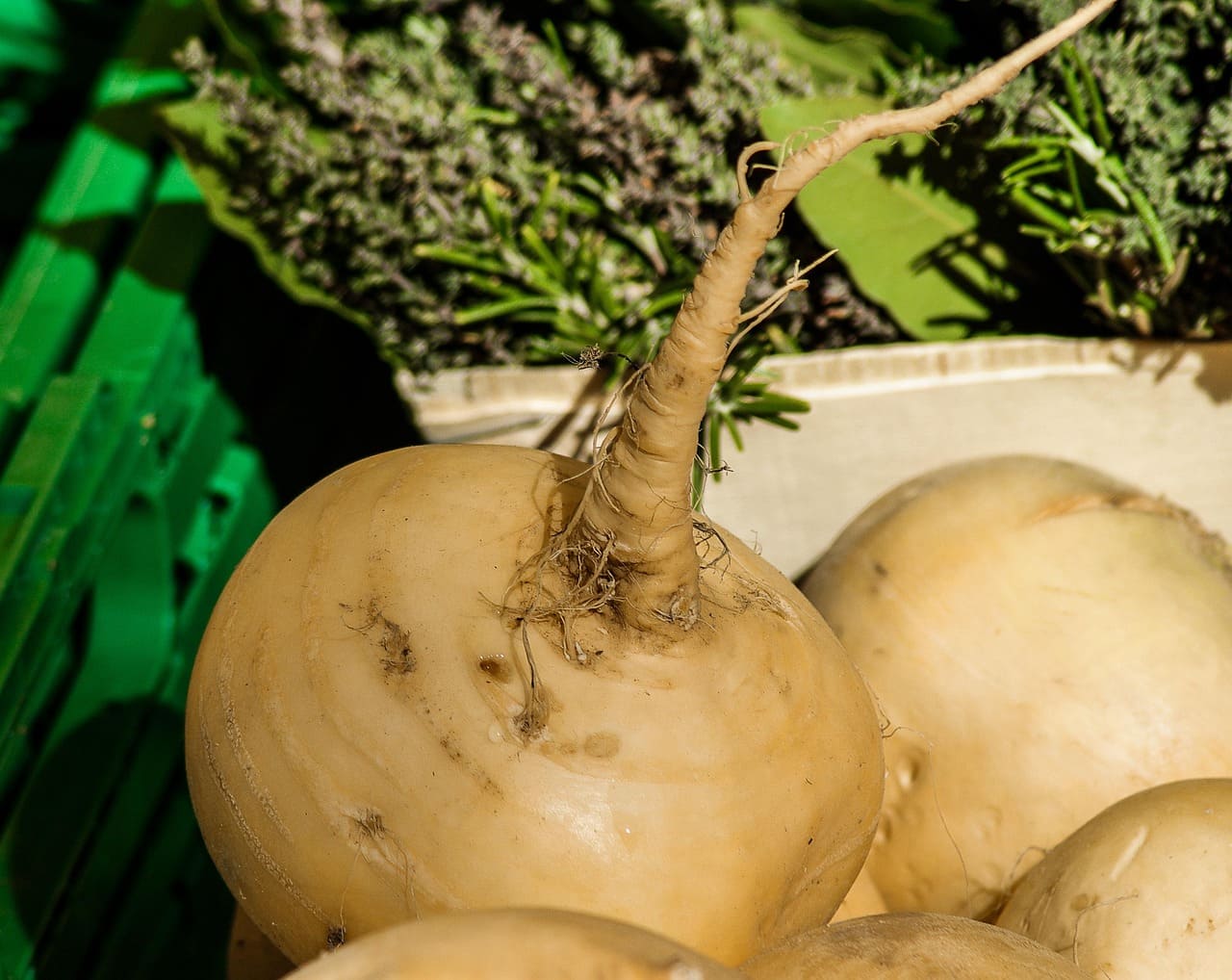
Pickled turnip is one of those foods that looks simple but changes everything it touches. It’s crisp, tangy, and refreshingly sharp, adding a bright pop to sandwiches, bowls, grilled meats, and snack plates. If you’ve ever eaten shawarma or falafel and noticed a vivid pink, crunchy bite on the side, there’s a good chance you’ve met this classic lebanese pickle. The flavor is clean and zesty, the texture is satisfyingly firm, and the color makes any plate feel instantly more vibrant. In this Art of Pickling guide, we’ll explore what makes pickled turnip special, how it fits into everyday meals, and what to know if you want to try a pickled turnip recipe at home or preserve larger batches for later.
What Makes Pickled Turnip So Addictive
Turnips are naturally crisp and mild, which makes them ideal for pickling. They soak up brine beautifully without losing their structure, and their slightly peppery, earthy flavor becomes brighter once it meets vinegar and salt. The result is a pickle that feels refreshing rather than heavy.
Pickled turnip also delivers contrast. It cuts through rich foods the way a squeeze of lemon does, but with crunch. That’s why it’s so common in Middle Eastern meals: it balances savory meats, creamy sauces, and warm breads with a sharp, clean bite.
When people search “pickle turnip,” they’re often chasing that exact experience—something tangy and crisp that feels like the perfect sidekick to bold, savory dishes.
Lebanese Pickled Turnip: The Iconic Pink Crunch
Lebanese pickled turnip is famous not just for its flavor, but for its color. The classic pink tint often comes from adding a piece of beet to the jar, which dyes the brine and gives the turnips that signature rosy hue. The beet isn’t there to dominate the flavor; it’s there to add a subtle sweetness and, most importantly, to create that unmistakable look.
This style has become popular far beyond Lebanese kitchens because it’s so versatile. It works as a condiment, a snack, and a plate-brightener all at once. Even a small handful can make a meal feel fresher.
Pickled Turnip Recipe Basics: What Matters Most
A good pickled turnip recipe is all about balance: enough salt to create a clean pickle flavor, enough vinegar (or acidity) to make it tangy, and enough time for the turnip to absorb the brine. The turnip’s texture does a lot of the work for you, so your main job is to keep it crisp and let the flavor develop.
A few practical guidelines help:
- Cut turnips into consistent sticks or wedges so they pickle evenly.
- Use firm, fresh turnips for best crunch.
- Keep the brine flavorful but not harsh—turnip should taste bright, not aggressively sour.
- Let the jar rest long enough for the flavor to mellow and deepen.
The magic of pickled turnip is that it improves after a little time. The sharpness softens into something more rounded and snackable.
Canning Turnips and Preserving Bigger Batches
If you love pickled turnip and want it available beyond the week you make it, you might explore canning turnips in a pickled form. People often use “canning” to mean long-term jar storage, especially when making bigger batches from a garden haul or seasonal produce.
If you’re new to preserving, a simple approach is starting with refrigerator pickles. They’re easy, forgiving, and give you the same flavor experience with less complexity. Once you’re comfortable and understand how texture and brine strength behave over time, you can explore longer-term preservation methods for larger batches. No matter the storage style, the goal is the same: keep that signature crunch.
How to Eat Pickled Turnip: Easy Uses That Feel Special
Pickled turnip is one of the most flexible pickles you can keep around. Try it:
- In wraps and sandwiches for crunch and tang
- Next to grilled meats, rice, and roasted vegetables
- On snack boards with cheeses, olives, and pita
- In bowls with hummus, tahini, or yogurt-based sauces
- Chopped into salads for brightness and texture
Because it’s sharp and clean, it also works as a palate reset between bites of richer food.
A Natural Pairing: Pickled Cabbage
If you enjoy pickled turnip, you’ll likely enjoy other crunchy, tangy pickles—especially pickled cabbage. Both bring freshness and crunch, but in different ways: turnip is clean and firm, while pickled cabbage can be more juicy and bracing, with a slightly different texture and bite. Served together, they create a lively contrast on a plate and make meals feel more colorful, varied, and satisfying.
Pickled cabbage is also a great option when you want a pickle that “blends in” with slaws, tacos, or sandwiches, while pickled turnip stands out as a bold, crisp accent.
Conclusion
Pickled turnip is a bright, crunchy staple that deserves a place in any pickle-loving kitchen. Whether you’re craving the classic lebanese pickle experience, looking up a reliable pickled turnip recipe, exploring the colorful charm of lebanese pickled turnip, or thinking about canning turnips for longer storage, the payoff is the same: tangy crunch that wakes up every bite. It’s simple, beautiful, and endlessly useful—especially when paired with other crisp sides like pickled cabbage. Once you start keeping a jar of pickle turnip in the fridge, you’ll find yourself adding it to everything, one bright bite at a time.