
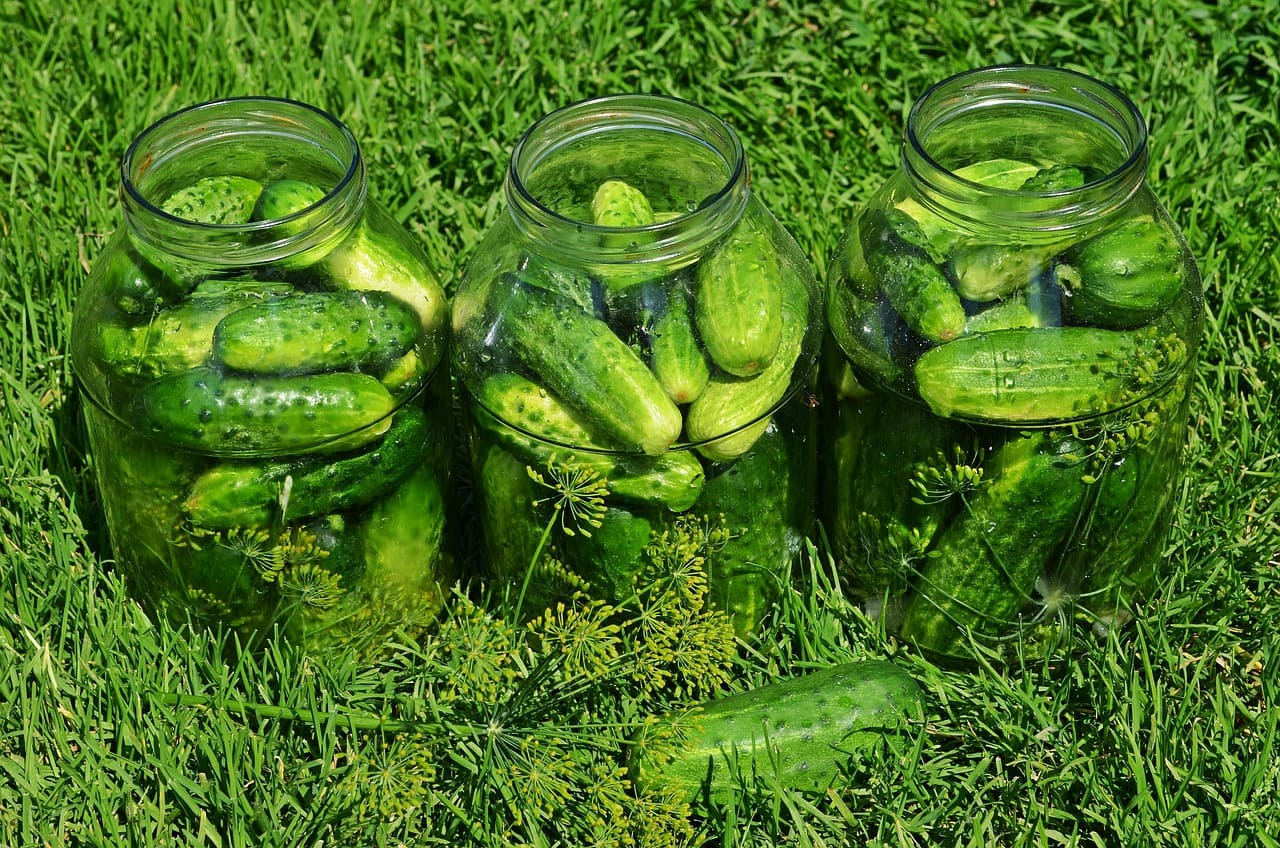
Kosher dill pickles are one of those foods that feel both ordinary and essential. They’re the tangy crunch on the side of a sandwich, the salty bite that wakes up a snack plate, and the briny ingredient that can turn a simple burger into something memorable. A great kosher dill pickle hits a specific balance: bright acidity, plenty of dill, a confident garlic note, and—most important—a satisfying crunch. Once you’ve tasted a really good one, it’s hard to settle for anything soft or bland. In this Art of Pickling guide, we’ll explore what defines kosher dill pickles, what makes them different from other styles, how spears and whole pickles compare, and why this classic deserves its legendary reputation.
What “Kosher Dill” Means in Pickle World
The phrase “kosher dill” can be confusing because it sounds like it’s only about dietary rules. In pickle culture, “kosher-style” often refers to a traditional New York deli flavor profile: lots of garlic, plenty of dill, and a brine that tastes clean and bold. Some brands are certified kosher, but many people use the term to describe the taste style more than the certification.
What matters most is the signature flavor: garlicky, herbaceous, and briny, with a tart finish that makes you want another bite. That’s why kosher dill pickles are so popular—they’re not sweet, they’re not subtle, and they don’t disappear into the background.
The Key Elements: Crunch, Brine, and Freshness
A good kosher dill pickle is about structure. If the cucumber is limp, no amount of dill can save it. Crunch comes from using firm cucumbers, keeping the process cold enough when needed, and balancing salt and acidity properly.
A few factors shape that crunch:
- Cucumber quality: firm, fresh cucumbers matter more than anything else.
- Brine balance: salt and vinegar (or a salty fermentation brine) create the pickle texture and flavor.
- Time: pickles can soften if they sit too long or if they’re processed in ways that break down structure.
This is why refrigerated styles often taste extra crisp and “fresh.” Even if you’re buying rather than making, learning what makes a crisp pickle helps you choose the style you’ll enjoy most.
Dill Pickle Spears vs Whole Pickles
Dill pickle spears are popular because they’re easy to serve. They fit in sandwiches, tuck neatly beside a burger, and work well on snack plates. Spears also expose more surface area to brine, which can make them taste punchier—more dill and garlic right away.
Whole pickles tend to pickle more gradually and can hold crunch well, especially if stored properly. Many pickle lovers keep both in the fridge: spears for sandwiches and quick snacking, whole pickles for slicing or eating like a classic deli side.
Popular Brands and What They Represent
People often discover their “pickle personality” through brands. Some like a sharp, bright vinegar snap; others prefer a deeper brine flavor that tastes old-school.
- Claussen dill pickles are known for a crisp, refrigerated crunch and a fresh-tasting brine that feels bold and clean.
- Vlasic dill pickles are widely available and familiar, often bringing that classic pickle flavor many people grew up with.
- Bubbies pickles are often associated with a more traditional, brine-forward style that appeals to fans of deeper, tangy flavor.
It’s not about which is “best”—it’s about which style matches what you want: extra crisp, extra garlicky, extra briny, or a balanced all-around pickle.
How to Use Kosher Dill Pickles Beyond the Jar
Kosher dill pickles aren’t just a side. They’re an ingredient that adds brightness and salt to all kinds of foods:
- Chop them into tuna salad, egg salad, or potato salad for tang and crunch.
- Add a splash of pickle brine to dressings, dips, or marinades for depth.
- Slice them onto burgers, hot dogs, and sandwiches for a sharp contrast to rich flavors.
- Serve spears as a snack alongside cheese, crackers, or smoked meats.
Pickles are especially helpful when a dish tastes “heavy.” Their acidity cuts richness and makes flavors pop.
A Natural Pickled Companion: Pickled Turnip
If you love the bold, briny punch of kosher dill pickles, you might also enjoy other crisp pickled sides—especially pickled turnip. Like dill pickles, pickled turnip brings crunchy texture and a tangy bite, but with a slightly earthy flavor that pairs beautifully with savory meals. On a snack plate or alongside a sandwich, the two work together well: dill pickles bring garlic-and-herb brightness, while pickled turnip adds a different kind of crisp, clean tang that keeps things interesting.
Conclusion
Kosher dill pickles earned their status as a deli icon for a reason: they’re crunchy, garlicky, bright, and endlessly useful. Whether you prefer dill pickle spears for easy snacking or whole pickles for classic slicing, the best ones deliver that unmistakable balance of salt, dill, and tang. Fans often have strong preferences—some reach for claussen dill pickles for that refrigerated snap, others love the familiar taste of vlasic dill pickles, and many seek out bubbies pickles for a deeper, brine-forward experience. However you enjoy them, kosher dill pickles are more than a side—they’re a flavor tool. Pair them with a crisp jar of pickled turnip and you’ve got the kind of tangy, crunchy combo that makes any meal feel brighter.