
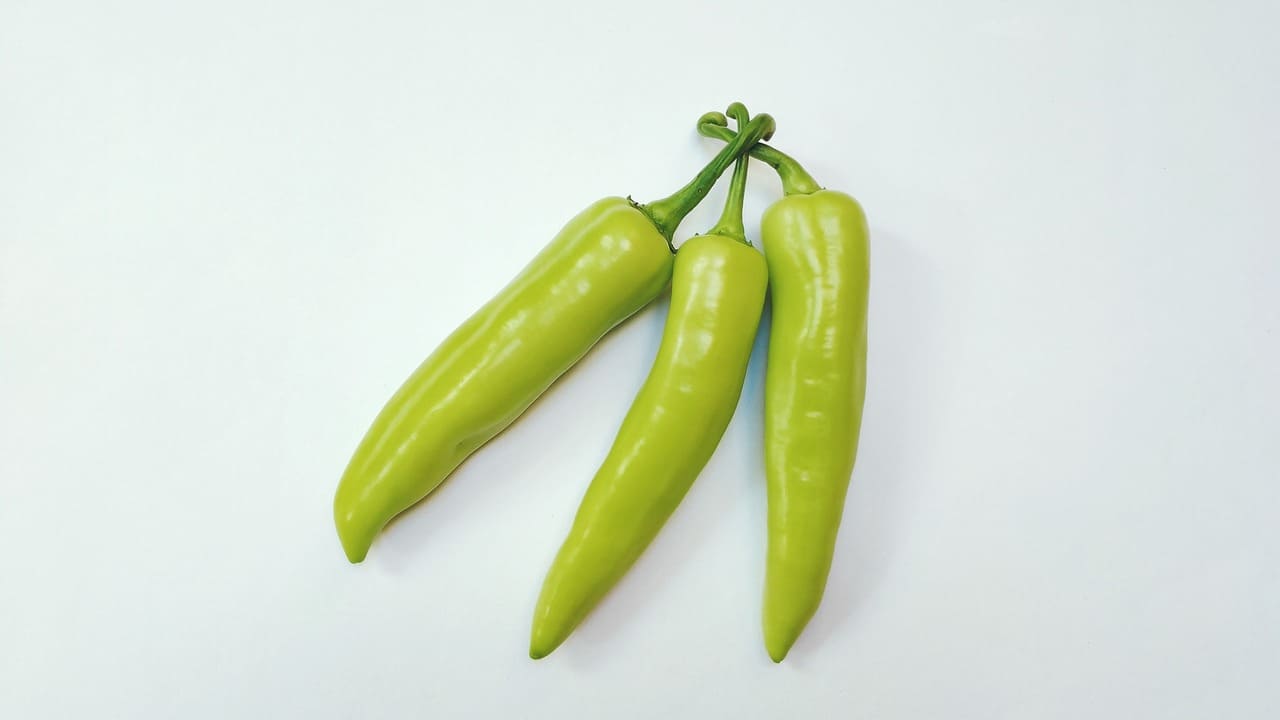
Pickled banana peppers are the kind of pantry (and fridge) staple that quietly improves almost everything you eat. They’re tangy, slightly sweet, and pleasantly peppery without overwhelming heat, which makes them easy to love even if you’re not a “spicy food” person. A forkful can brighten sandwiches, salads, pizza, tacos, grain bowls, and snack boards. They also bring crunch and acidity—the two flavor elements that keep meals from tasting heavy or one-note. If you’ve ever wondered why some sandwiches taste “complete” with just one extra topping, pickled banana peppers are often the answer. In this Art of Pickling guide, we’ll explore how banana peppers behave in brine, how to choose the right peppers, what to know about storing or preserving bigger batches, and how to get that classic jar-ready taste at home.
Why Banana Peppers Are Perfect for Pickling
Banana peppers have a naturally mild heat and a gentle sweetness that becomes even more delicious once vinegar and salt enter the picture. When pickled, the flavor sharpens into a bright tang, while the pepper’s mildness keeps the jar approachable. They also hold texture well, especially when sliced into rings or kept in larger pieces.
Because the flavor is so balanced, banana peppers work across cuisines. They don’t dominate the way very hot peppers can, and they don’t taste “dessert sweet” like some sweet pickle styles. They sit right in the middle: lively, crunchy, and endlessly useful.
Banana Pepper Pickle Recipe: The Flavor Goal
A good banana pepper pickle recipe should taste clean, tangy, and lightly sweet, with enough salt to make the flavor feel bold but not harsh. Many people love banana peppers because they bring a bright zip without burning the tongue, so you don’t need to chase extreme heat. Instead, the goal is a brine that highlights the pepper’s natural flavor.
A few key ideas help you get a great result:
- Slice peppers evenly so they pickle at the same pace.
- Use fresh, firm peppers for maximum crunch.
- Keep the brine balanced so the tang tastes refreshing, not sharp.
- Let the jar sit long enough for the flavor to mellow and round out.
Even if you’re making a quick refrigerator batch, giving the peppers time to absorb the brine makes a noticeable difference.
Choosing and Prepping Peppers for the Best Crunch
Pickled banana peppers are at their best when the peppers are fresh and firm. Look for smooth skins and peppers that feel crisp rather than bendy. Smaller peppers can be extra crunchy, while larger peppers make bigger rings that are perfect for sandwiches and pizza.
Prep style depends on how you plan to use them:
- Rings: best for pizza, salads, nachos, and sandwiches
- Long strips: best for wraps and layered subs
- Whole or halved peppers: best for snack boards and jar presentations
If you want a classic “banana peppers jar” look—like the kind you’d pull from a deli fridge—rings are the most recognizable option.
Banana Pepper Canned and Bigger-Batch Pickling
People often search for banana pepper canned when they’re thinking about long-term storage or preserving a harvest. Sometimes this refers to buying pre-made jars; other times it refers to making and storing peppers in jars at home.
For home picklers, it’s helpful to start with refrigerator pickles, then scale up when you feel confident. The reason is simple: bigger batches require more consistency—uniform slices, steady brine ratios, and careful handling so texture stays crisp. Once you understand how your peppers behave over time, you can explore preserving larger quantities so you always have a banana peppers jar ready.
Banana Pepper Canning Recipe: What It’s About
A banana pepper canning recipe is typically focused on producing jars that keep longer, often for pantry storage. Even if you’re not doing long-term canning, the idea of a “canning-style” recipe can still guide you: it usually emphasizes consistent brine ratios and dependable texture.
If your goal is simply to have peppers ready for the week, a fridge jar works beautifully. If your goal is to preserve a large harvest, canning-style methods become more relevant. Either way, the taste target stays the same: tangy, crisp, and balanced.
Pickled Hungarian Wax Peppers: A Close Cousin Worth Knowing
If you like banana peppers, you’ll likely enjoy pickled hungarian wax peppers. They look similar and behave similarly in brine, but they often bring a bit more heat. Some people love mixing both types in one jar: banana peppers for mild tang and Hungarian wax peppers for a stronger kick.
This is a great way to customize your jars for different eaters—mild rings for everyday meals and a few spicier pieces for heat lovers. It’s also a fun way to create a “house blend” that feels unique to your kitchen.
Fun Pickle Culture: A Nod to Chamoy Pickle
Pickled banana peppers are classic and savory, but pickling culture also has playful corners—like the chamoy pickle trend. While banana peppers typically stay firmly in the savory lane, it’s a reminder that pickling is flexible. Some jars are traditional sandwich toppers; others are bold snack experiments. If you love exploring different pickle styles, keeping a reliable savory jar (like banana peppers) alongside a more adventurous jar (like chamoy) can make your pickling shelf feel both practical and fun.
Conclusion
Pickled banana peppers deserve their reputation as one of the most useful pickles you can keep around. Whether you’re searching for a dependable banana pepper pickle recipe, learning about banana pepper canned options, exploring a banana pepper canning recipe for bigger batches, experimenting with pickled hungarian wax peppers, or simply stocking your fridge with a reliable banana peppers jar, the payoff is the same: bright tang, crunchy texture, and an easy way to make meals taste better. And if you like exploring modern pickle culture, it’s fun to keep classics like banana peppers alongside trends like chamoy pickle—proof that pickling can be both practical and playful, one jar at a time.