
Pickling salt doesn’t look exciting in the pantry, but it quietly determines whether your pickles taste bright, crisp, and clean—or cloudy, uneven, and disappointing. When you’re making pickles at home, the salt you choose affects everything from texture to flavor clarity to how your brine behaves over time. That’s why pickling salt is a staple in traditional kitchens and a trusted ingredient for anyone who wants reliable results. Whether you’re quick-pickling vegetables in vinegar or working with brines that need time to develop, salt is the foundation. In this Art of Pickling guide, we’ll cover what pickling salt is, how it differs from other salts, how it connects to canning and preservation, and what to know if you’re trying to reduce sodium without losing that classic pickle bite.
What Pickling Salt Is and Why It Matters
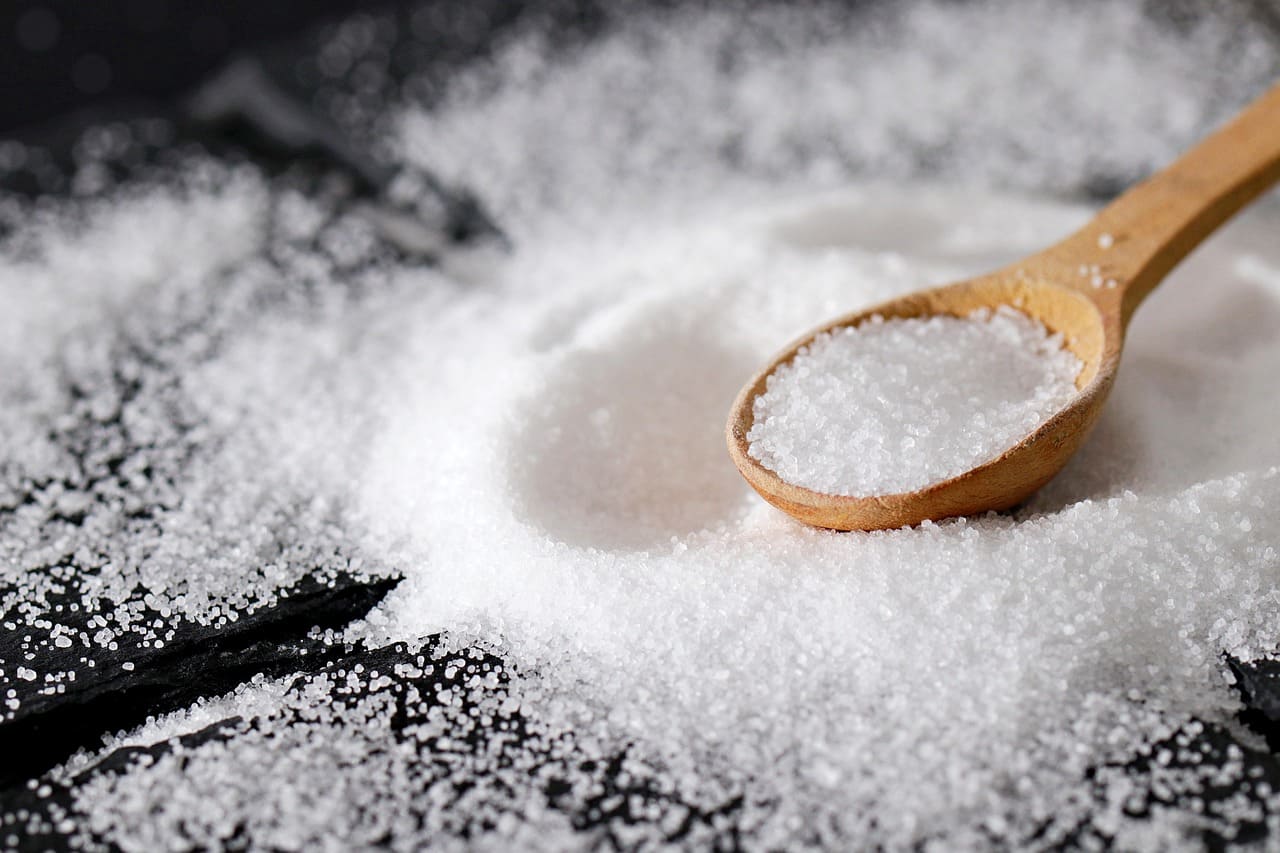
Pickling salt is a fine-grain salt made to dissolve quickly and evenly in brines. It’s typically free of additives that can cloud pickling liquid or leave residue at the bottom of the jar. That “clean dissolve” matters because pickling is all about balance. When salt dissolves evenly, you get consistent flavor and a steadier environment for the ingredients in your jar.
In plain terms: pickling salt helps your brine taste pure and your jars look clear. It also makes measuring easier because the granules are uniform, which reduces the chances of under-salting or over-salting by accident.
Pickles in Salt: The Foundation of Brine
The phrase pickles in salt can mean different things, but it points to a core truth: salt does more than add flavor. In brining, salt draws water out of vegetables, firms texture, and helps create a stable environment for preservation. Even in vinegar pickles, salt supports the overall balance, giving the tang a backbone so the pickle doesn’t taste flat.
When you make pickles, you’re not just seasoning vegetables—you’re managing structure. The right amount of salt helps cucumbers stay crisp, cabbage stay crunchy, and peppers keep their bite instead of turning soft.
Canning Salt vs Pickling Salt: Are They the Same?
People often ask about canning salt because it shows up in preservation recipes. In many cases, canning salt and pickling salt are used interchangeably. Both are typically fine and additive-free, designed to dissolve cleanly and behave predictably in brines.
The big takeaway is consistency. Whether your recipe calls it canning salt or pickling salt, the goal is a clean, reliable salt that won’t interfere with your brine’s clarity and flavor. Using a salt with additives can lead to cloudy jars or off textures, especially in longer storage projects.
Kosher Pickling Salt: Understanding the Terms
Kosher pickling salt is a phrase you’ll see because “kosher salt” is popular in cooking and “pickling salt” is popular in preserving. But these salts aren’t automatically the same. Kosher salts often have larger flakes and can vary by brand, which changes how much salt fits into a measured spoon. Pickling salt is usually finer and more standardized.
Some people use kosher salt for pickling successfully, but you have to be careful about measurement. Because grain size varies, measuring by volume can lead to inconsistent results. If you’re using a different salt, it’s important to be precise so your brine stays balanced. The point isn’t that one salt is “good” and another is “bad”—it’s that pickling requires accuracy, and the salt format affects that accuracy.
Low Sodium Pickles: What to Know Before You Reduce Salt
It’s common for people to look for low sodium pickles or ask about pickles with low sodium—especially if they love pickles but want a lighter sodium profile. Salt is a key part of classic pickle flavor, but it also plays a structural role in brines. If you reduce salt too much, you may end up with pickles that taste less punchy and feel less crisp.
That doesn’t mean you can’t make lower-sodium versions. It means you should think strategically:
- Lean on vinegar, garlic, herbs, and spices to build flavor without relying only on salt.
- Use stronger aromatics like dill, mustard seed, peppercorn, or chili flakes.
- Keep your vegetables very fresh for best natural crunch.
- Focus on refrigerator pickles for quick enjoyment rather than long storage.
Lower-sodium pickles can still taste delicious, but the flavor needs support from other ingredients so the jar doesn’t feel bland.
Practical Pickling: Why Salt Choice Helps Beginners
Pickling can feel intimidating because people worry about ratios, timing, and texture. Choosing the right salt removes one major variable. With pickling salt, you’re starting with an ingredient designed to behave predictably. That makes it easier to repeat successful batches and adjust flavors confidently.
It also helps when you’re pickling ingredients that can vary in heat and sweetness, like peppers. For example, pickled banana peppers are naturally bright and slightly sweet, and the right brine balance lets that flavor shine without turning the jar harsh or overly salty. When your salt dissolves cleanly and your brine stays consistent, peppers keep their crisp bite and the finished pickle tastes clean and vibrant.
Conclusion
Pickling salt may be simple, but it’s one of the most important tools in the pickler’s kitchen. It dissolves evenly, keeps brines clear, and supports the structure that makes pickles satisfying to bite. Whether you call it canning salt, compare it to kosher pickling salt, or you’re exploring options for low sodium pickles and pickles with low sodium, the key is understanding what salt does beyond taste. It’s the foundation behind successful pickles in salt—helping vegetables stay crisp and flavors stay balanced. From crunchy cucumbers to lively jars of pickled banana peppers, the right salt choice makes pickling more reliable, more repeatable, and a whole lot more delicious.