
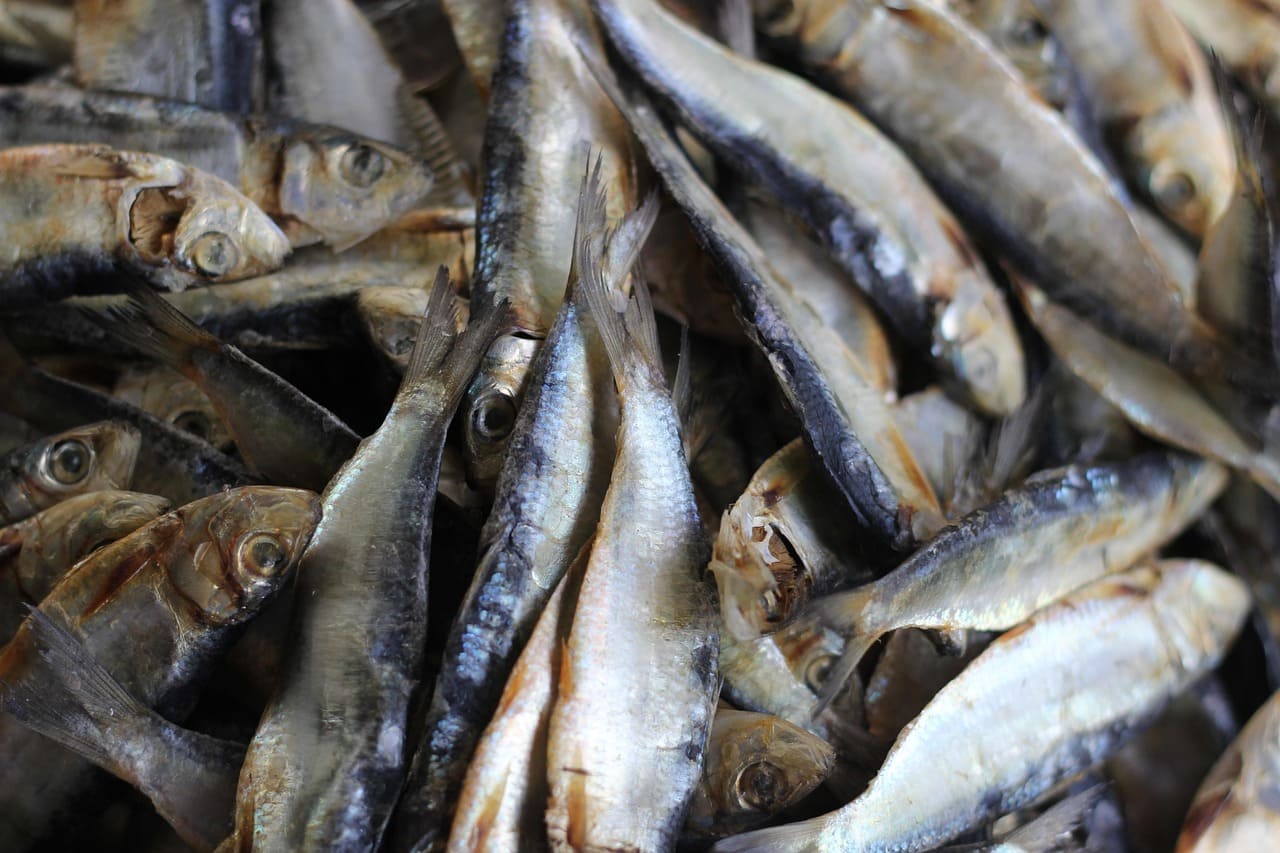
Pickled herrings are one of the most distinctive foods in the pickling world—salty, tangy, and rooted in traditions that stretch back centuries. For some people, they’re a nostalgic taste of family gatherings and special meals. For others, they’re a fascinating discovery: tender fish preserved and flavored through brine, vinegar, spices, and time. Pickled herring isn’t meant to taste subtle. It’s meant to wake up your palate, pairing briny richness with bright acidity in a way that feels both old-world and surprisingly modern. In this Art of Pickling guide, we’ll explore what pickled herrings are, the most common styles you’ll encounter, and how to serve them so their bold flavor feels balanced and welcoming.
What Pickled Herring Really Is
Pickled herring generally refers to herring that has been preserved and seasoned in a salty brine, vinegar-based marinade, or both. The fish is typically cured first—salt draws out moisture and firms the flesh—then it’s flavored with ingredients like onion, spices, and sometimes sugar. The result is a tender, flavorful fish with a briny bite and a tangy finish.
When people say marinated herring, they’re often talking about the style where the fish is soaked in a seasoned vinegar mixture that adds sweetness, spice, and aromatic depth. “Pickled” can describe multiple methods, but the goal is consistent: preservation plus bold flavor.
The Flavor Profile: Salty, Tangy, and Deeply Savory
Pickled herring isn’t just “fish in vinegar.” It has layers. The saltiness brings intensity; the acid brings brightness; and the spices bring character. A well-made jar should taste balanced—briny and sharp, but not harsh. Some styles lean sweet-sour, while others stay more purely salty and savory.
If you’ve ever heard the phrase salty herring, it usually points to a more strongly cured, brine-forward version that emphasizes salt and firm texture. These styles often benefit from being served with mellow, starchy sides that soften the intensity and turn each bite into a satisfying contrast.
Classic Styles: Bismarck, Rollmop, and More
Pickled herrings show up in different styles depending on region and tradition. A few of the most well-known include:
Bismarck herring:
Often recognized as a tender, vinegar-marinated style, sometimes paired with onions and spices. Many people associate it with a tangy, slightly sweet flavor profile that’s easy to enjoy compared to harsher cures.
Rollmop:
A rollmop is typically a fillet rolled around an ingredient such as a pickle or onion, then marinated. The look is iconic—little spirals of fish—and the eating experience is unique: soft fish, tangy center, and bright marinade all at once.
Rollmop herring:
This phrase is often used to emphasize that the rollmop style is specifically made with herring. It’s a classic presentation that’s both practical (easy to portion) and memorable on a plate.
These different forms aren’t just cosmetic. They change texture, how marinade penetrates, and how intense each bite feels.
How Pickled Herring Fits Into Meals
Pickled herring works best when it’s paired with foods that balance its strength. Think of it the way you’d think of strong cheese or olives: delicious, but best alongside something mellow.
Great pairings include:
- Bread, crackers, or crisp rye
- Boiled or roasted potatoes
- Onions (fresh or lightly marinated)
- Sour cream or creamy sauces
- Apples or beets for sweetness and contrast
Serving it this way turns pickled herring from “intense” to “elegant.” The fish stays the star, but every bite feels rounded.
What Pickling Teaches Us: The Role of Salt and Structure
Pickling fish highlights a key truth about all pickling: salt matters. Before vinegar and spices even enter the picture, salt shapes texture and safety. That’s why people who make traditional pickles often rely on consistent, reliable salt for brines.
In vegetable pickling, many home picklers prefer pickling salt because it dissolves cleanly and supports a clear, steady brine. While fish preservation traditions vary, the concept is the same: salt creates the foundation—firming texture, controlling moisture, and setting the stage for flavor. Thinking about salt this way can make you a better pickler overall, even if you mostly work with cucumbers and cabbage.
Choosing Your First Pickled Herring Experience
If you’re new to pickled herrings, start with a style that sounds approachable. Many people find marinated herring easier because it often includes a sweet-sour balance and aromatics like onion. If you love strong briny flavors, a more salty herring style might be your favorite.
The best approach is to treat pickled herring as a small, intentional addition to a meal rather than something you eat in large portions right away. A few bites with bread and potatoes can feel satisfying and balanced.
Conclusion
Pickled herrings are a bold, time-tested tradition that showcases what pickling can do beyond vegetables. Whether you’re drawn to marinated herring for its tangy depth, curious about bismarck herring, or ready to try the iconic rollmop and rollmop herring styles, the key is pairing and balance. Served with bread, potatoes, and mellow sides, pickled herring becomes less intimidating and more comforting—salty, bright, and deeply savory. And if you’re learning the craft of preserving foods, remembering the importance of fundamentals like salt—often highlighted in kitchens by staples such as pickling salt—will help you appreciate how structure and flavor come together in every jar.